The State of Queensland’s Children Webinar
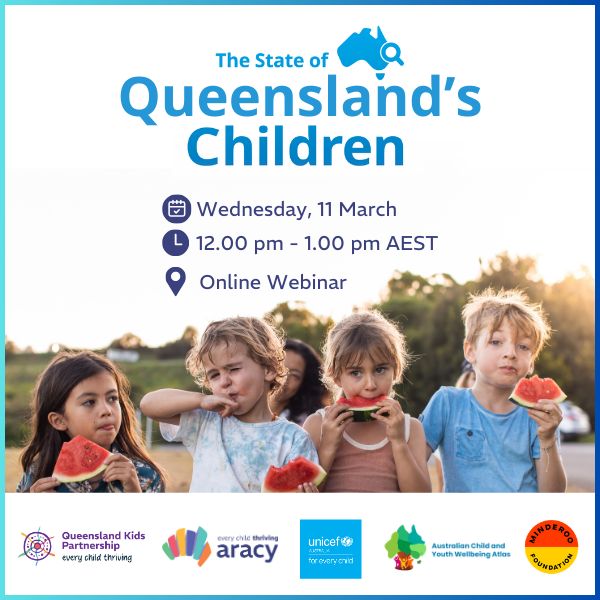
On Wednesday 11 March, youth representatives and sector leaders from UNICEF Australia, ARACY, Queensland Kids Partnership, Minderoo Foundation and the Australian Child and Youth Wellbeing Atlas came together to explore what the newly released State of Australia’s Children report means for Queensland. With more than 300 people attending online, the session highlighted key wellbeing trends for young Queenslanders, pinpointed the most pressing needs and opportunities, and outlined practical actions the sector can take now. Throughout the discussion, national evidence was grounded in the lived experience and insights of young people, with youth representatives from ARACY and UNICEF Australia hosting and presenting at the webinar.
The session began with a comprehensive overview of the wellbeing of Queensland children and youth. Evidence from the report showed QLD's strength in several areas, including higher reported happiness, lower concern for family conflict, higher youth employment, reading levels, and body image. The report also pointed to areas that need the greatest attention and action, including bullying, youth detention, child nutrition, school readiness, and psychological distress.
Participants were introduced to the Australian Child and Youth Wellbeing Atlas as a key tool for strengthening local decision‑making through accessible, community‑level data. They were shown how to navigate to the Atlas directly from the report and explored key indicators such as developmental vulnerability.
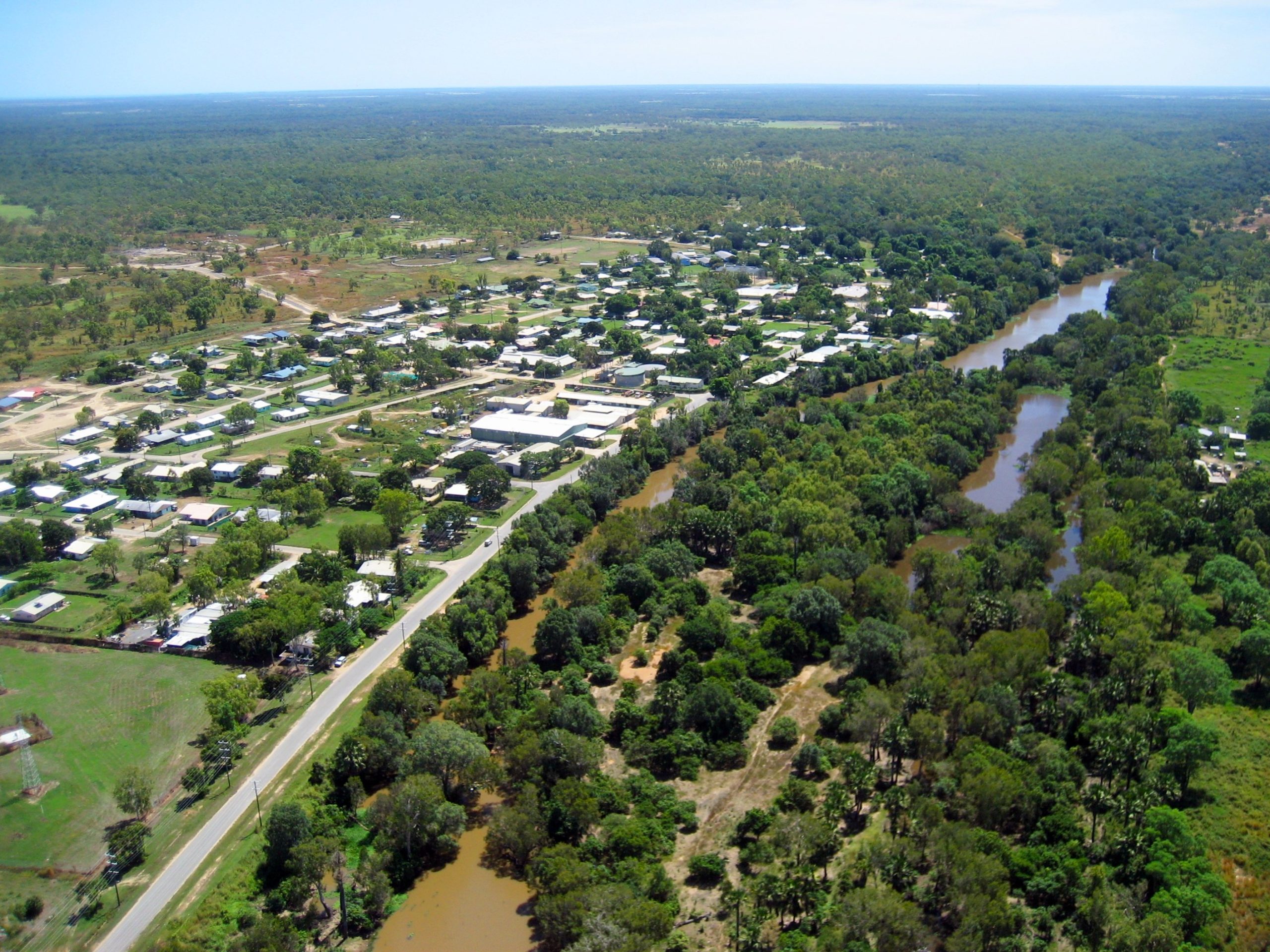
Youth Empowered Towards Independence (YETI) then demonstrated how they use the Atlas to guide action in their region in combination with their Development Framework. In developing the Kowanyama Youth Strategy, the Atlas provided a foundation for local data sovereignty—addressing data needs by offering reliable, comparable data that reduces siloed decision‑making and strengthens advocacy with policy‑makers. The Atlas also helps communities at a national level by advocating for recognition of the importance of local level data. The Youth Strategy will support the Council to plan strategically, steer community action, understand young people’s needs and aspirations, identify critical service gaps, and ensure the views of Kowanyama’s young people are taken seriously.
We heard from the Minderoo Foundation on what needs to happen next. The call to action was clear - Australia needs a coordinated, long-term plan that puts children at the centre of policy and investment. Key priorities were:
Establish an Early Intervention Investment Framework, supported by a National Children’s Data Strategy.
Establish a National Early Childhood Commission to ensure timely, cohesive reform.
Elevate children’s voices in decision making for meaningful co-design.
Increase the number of mental health and wellbeing professionals in early childhood education and care services and schools.
Implement a national Children’s Act, overseen by a national Ministerial Council for Children to provide cabinet-level oversight and accountability.
Overall, the webinar reinforced the sector’s collective resolve to turn evidence into coordinated action for Australia's children and young people, with Queensland as a driving example.
Watch a replay of the event here.