Restacking the Odds: Better decisions where children live, learn and play
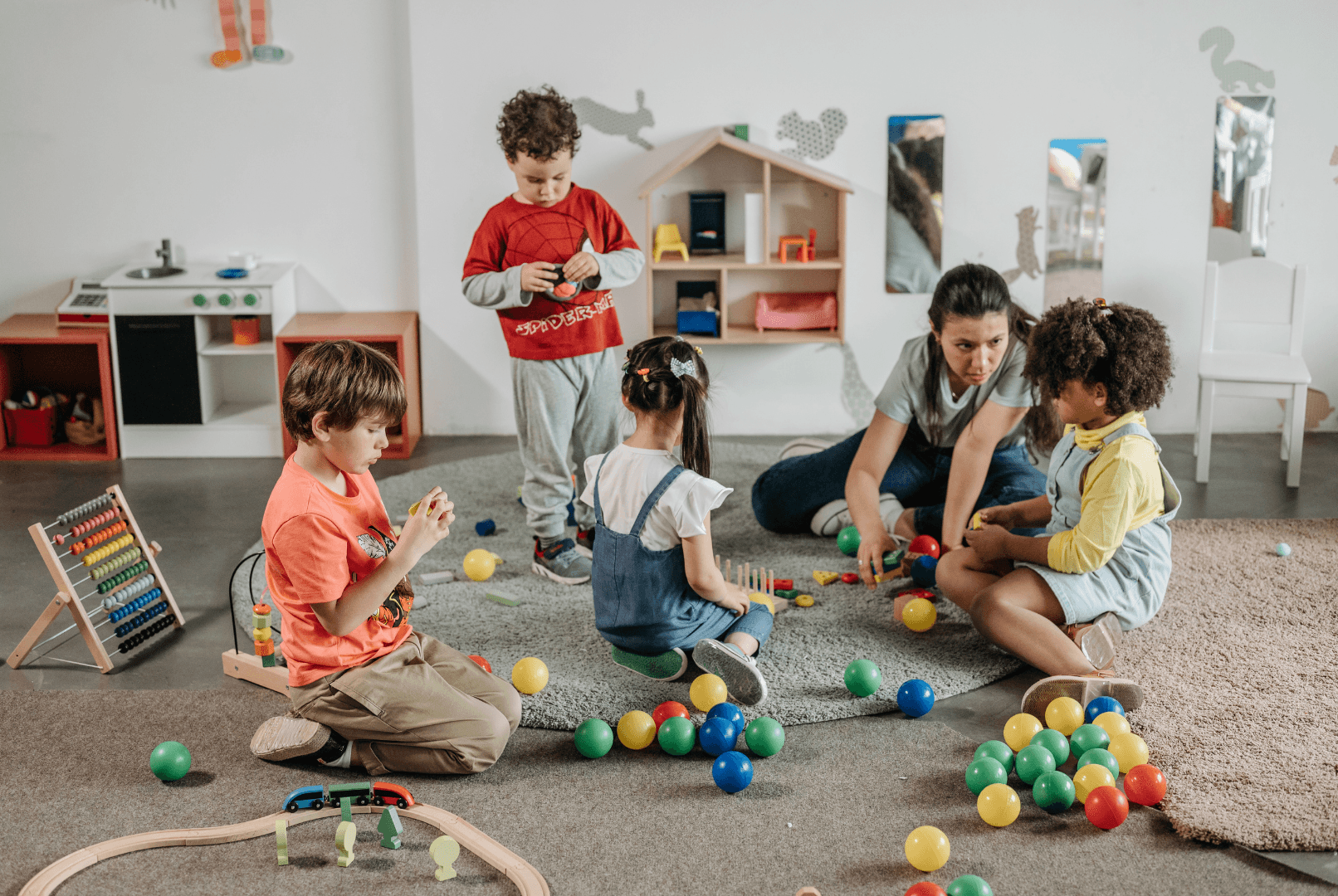
Better decisions where children live, learn and play explores how place-based approaches can be improved by ensuring the right data is in the right hands at the right time. The brief highlights that people in different roles make decisions every day that can help reduce inequities, yet these decisions are often made without access to the information needed to guide effective action. It outlines the different types of data required to support informed local decision-making and achieve meaningful, system-level change.

The paper introduces Restacking the Odds' early years data logic, which shifts the focus from asking “What data do we have?” to “What decisions do we need to make, and what data would help us make them?”. By helping policymakers, services and communities identify the most relevant data, align local priorities, and strengthen collaboration, the data logic supports a more complete understanding of what is happening in place, from immediate community experiences through to long-term system change. Together, these insights provide a practical framework for effectively using data to reduce barriers, address inequity, and create better community outcomes.

A kid interacting with his tablet

The Australian Child and Youth Wellbeing Atlas acknowledges the Traditional Custodians of Country throughout Australia and recognises their enduring connection to land, waters, and community. We pay our respects to Elders past and present. The Atlas is committed to engaging with Aboriginal and Torres Strait Islander peoples, respecting diversity, and contributing to community development and sustainability.

© Australian Child and Youth Wellbeing Atlas

Designed by

The Australian Child and Youth Wellbeing Atlas acknowledges the Traditional Custodians of Country throughout Australia and recognises their enduring connection to land, waters, and community. We pay our respects to Elders past and present. The Atlas is committed to engaging with Aboriginal and Torres Strait Islander peoples, respecting diversity, and contributing to community development and sustainability.

© Australian Child and Youth Wellbeing Atlas

Designed by

The Australian Child and Youth Wellbeing Atlas acknowledges the Traditional Custodians of Country throughout Australia and recognises their enduring connection to land, waters, and community. We pay our respects to Elders past and present. The Atlas is committed to engaging with Aboriginal and Torres Strait Islander peoples, respecting diversity, and contributing to community development and sustainability.

© Australian Child and Youth Wellbeing Atlas

Designed by