ABS Census Datasets Added to the Atlas
New datasets
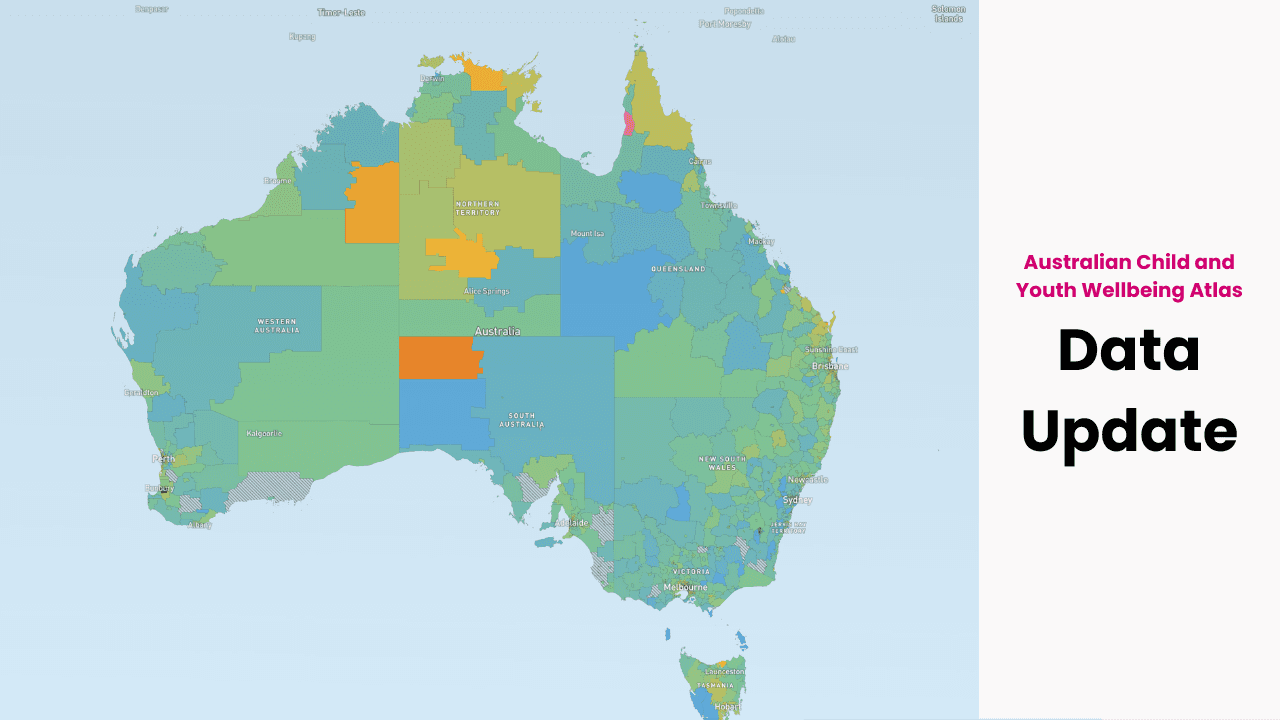
A suite of new Census (Australian Bureau of Statistics) datasets have been added to the Atlas. Two datasets can be found within the 'Material Basics' theme:
Youth unemployment
This dataset contains three indicators covering persons aged 15–24 years, measuring persons unemployed and seeking full-time work, and unemployed and seeking part-time work. Data is available at SA2, SA3, SA4, LGA, and State/Territory data for 2016 and 2021. A broader unemployment measure was created by combining unemployed seeking full-time work and unemployed seeking part-time work, reported for age groups 15–19, 20–24, and 15–24 years.
Housing suitability (overcrowding)
Measures overcrowding among families with children aged 0–14 years at SA2–STE levels for 2016 and 2021. Housing suitability categories (1 to 4+ extra bedrooms needed) were used to derive a combined “More rooms required” indicator representing both couple families and single-parent families living in overcrowded dwellings.
Two datasets have been included in the 'Identity and Culture' theme:
Country of birth (Australia vs Overseas)
This dataset has derived two indicators—Born in Australia and Not born in Australia—using the two-digit country-of-birth classification. Data is available to view at SA2, SA3, SA4, LGA, and State/Territory data for children and young people aged 0–24 years (for the years 2016 and 2021).
Language other than English spoken at home (LOTE)
Indicators have been added for the number and proportion of children and young people aged 0–24 years who speak a language other than English at home (for the years 2016 and 2021. Data is available to view at SA2, SA3, SA4, LGA, and State/Territory levels. LOTE was defined by excluding English, not stated, supplementary, and non-verbal categories.
See the full list of sub-themes and indicators across the Material Basics and Identity and Culture themes on our website.
Click the button below to explore one of the newly added datasets in the Atlas platform. Open the data filters to navigate to other indicators and datasets.