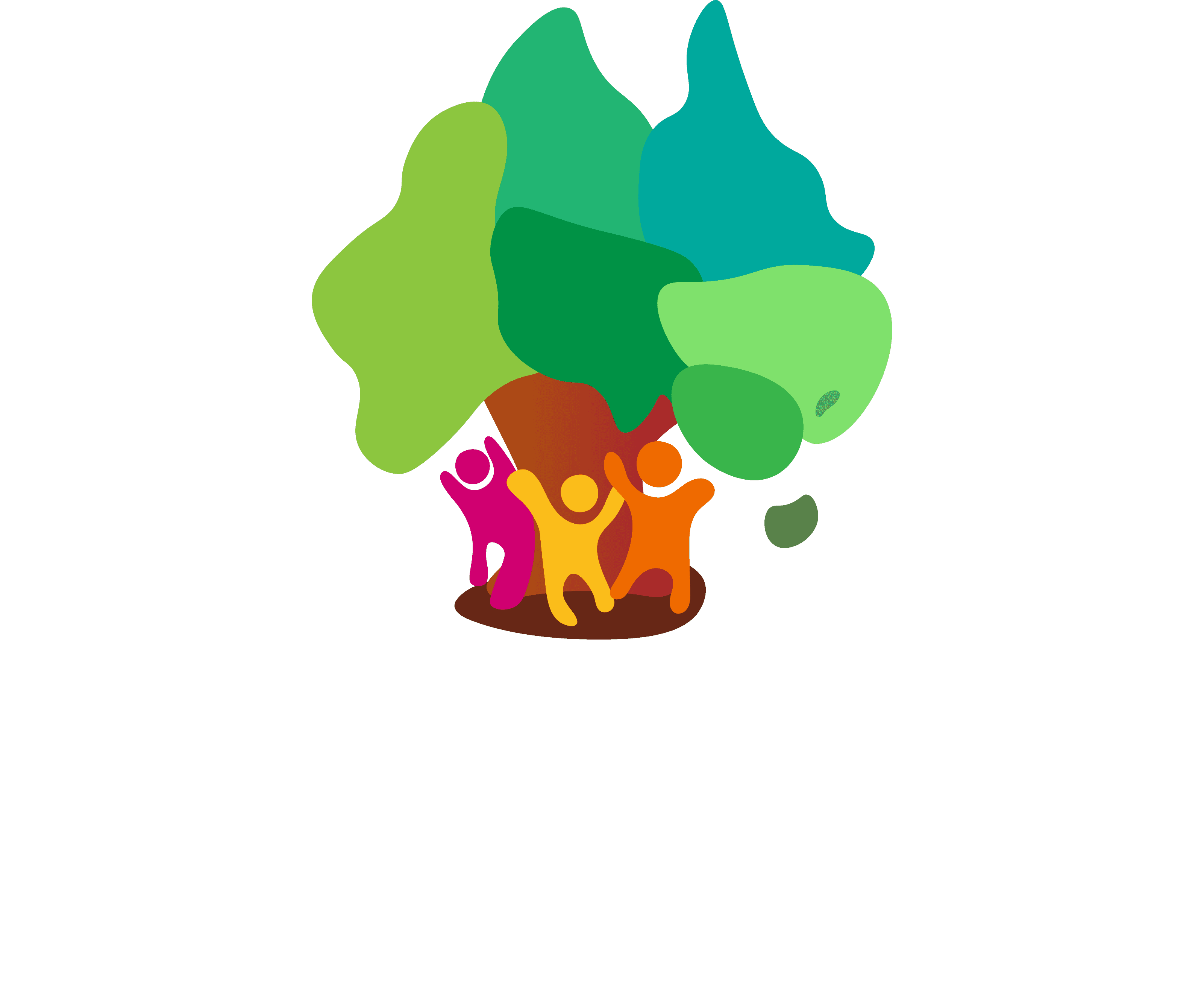
Our Logo
Australian Child and Youth Wellbeing Atlas Logo
Our logo showcases an abstract tree taking root in the earth, with leaf-like shapes representing every state and territory in Australia.
Beneath the canopy, the silhouette of three people represents two central themes: the imperative role that individuals and families hold in crafting Australia's identity, alongside the Atlas' core focus on person-centric data, interconnectedness, and community.
Drawn from nature's palette, the final logo employs hues of green, blue, and brown to mirror Australia's rich biodiversity and picturesque landscapes. Reds and ochres - reminiscent of Aboriginal sacred colours - are used in recognition and respect of Traditional Custodians of the land. The growth of the tree emphasises the Atlas' commitment to improving the welfare of Australia's children and youth, through the provision of pertinent, accessible and beneficial information and resources.
Read on to see how the Atlas logo was born.

announcement
We are thrilled to announce the winners of The Australian Child and Youth Wellbeing Atlas Logo Competition!
We’d like to express our heartfelt gratitude to each and every one of you for your incredible submissions. The level of creativity and artistic expression displayed by young minds across Australia has been truly inspiring.
It was not an easy decision for the judges but after careful deliberation, our panel has selected the following winners:
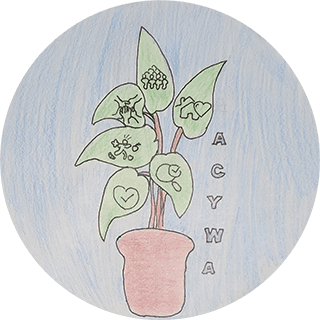
1st place
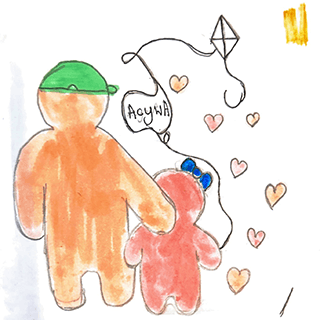
2nd place
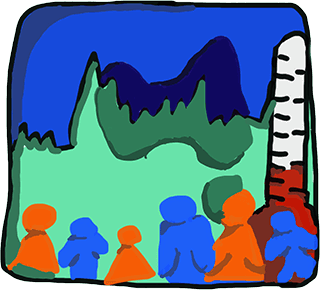
3rd place
Your contributions have been invaluable in shaping The Australian Child and Youth Wellbeing Atlas. We are grateful for your artistic vision and the impact it will have on improving the lives of children and youth across Australia. We look forward to celebrating your creativity and continuing to witness your artistic journey.
Acknowledgement of winning artist
As part of the much-anticipated launch of the Australian Child and Youth Wellbeing Atlas, children and youth across the nation were invited to participate in a logo design competition in June 2023. They were asked to create an original artwork that embodied the essence of our mission: to enhance the wellbeing, health and learning of Australia's children and young individuals.
It was Rebekah Hendy's evocative, uplifting design that struck a chord with the judges. In a remarkable display of creativity, she utilised plants, foliage and leaves to symbolise the bright future the Atlas envisions for each child and youth in Australia across six wellbeing domains.
The team extends heartfelt gratitude towards Rebekah for her artistic vision, which resonates profoundly in the project's quest to improve the lives of children and young people across Australia.